Overview
Smartwear Revolution combines clothing and technology in an entirely new way. It creates smart fabrics with special fibres that can help support movement, improve strength, and make everyday tasks easier and safer. Our smartwear can include tools such as sensors, movement supports, power sources, controls, and artificial intelligence (AI), all built directly into the fabric. Because our technology is part of the clothing itself, smartwear can feel more natural, comfortable, and easy to use.
Each domain plays an important role, but the greatest strength of Smartwear Revolution research and products comes from teamwork. Designers, engineers, scientists, health experts and PLEX work together to create clothing that supports independence, mobility, and quality of life.
Smartwear Revolution aims to turn everyday clothing into technology that helps people live more freely and confidently
Textile Design & Integration
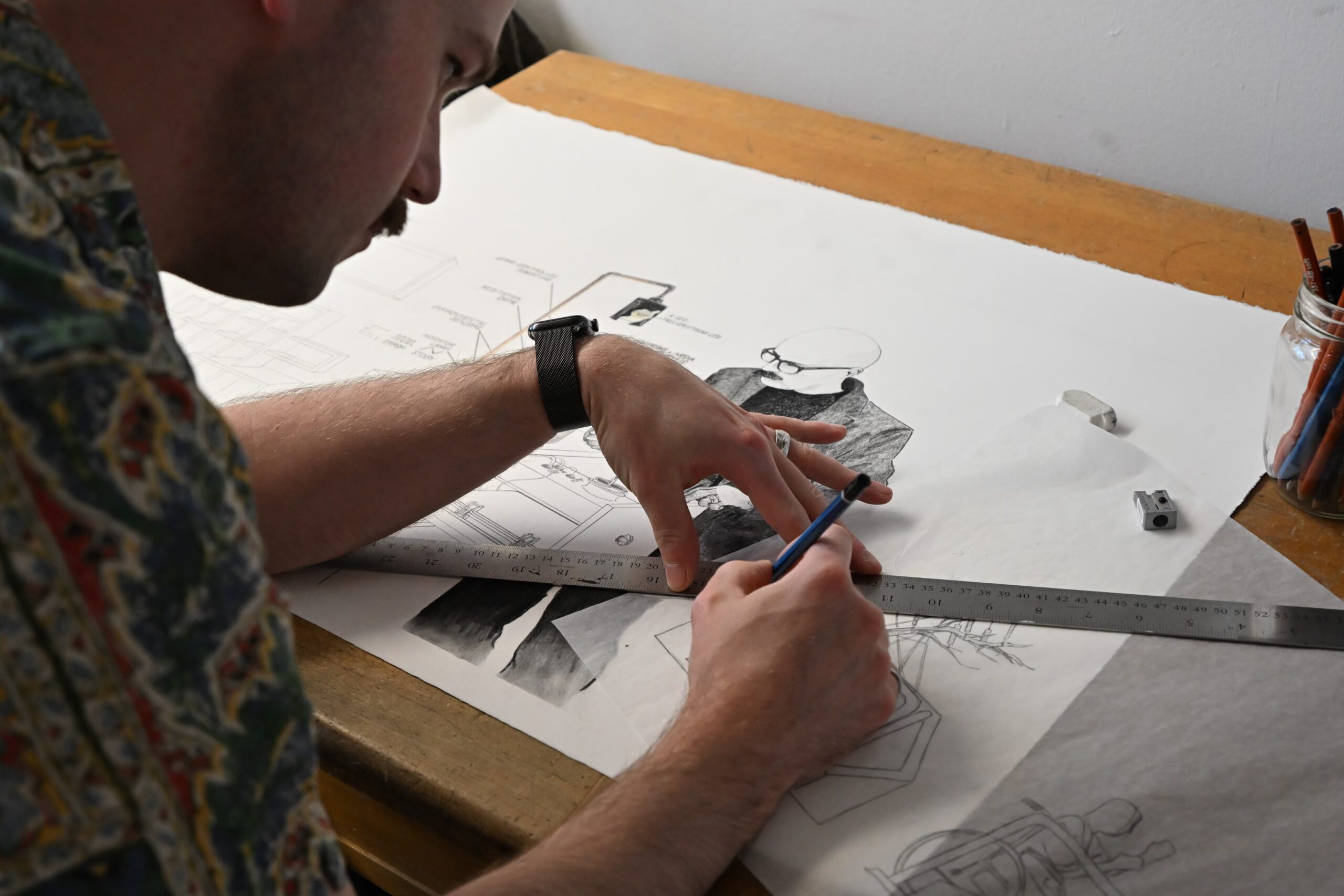
Textile Design & Integration (TDI) connects smart technology with clothing design. The goal is to create garments that are useful, comfortable, attractive, and easy to wear. This team works on adding sensing tools and support systems directly into fabrics and clothing shapes so they feel like regular clothes.
A major focus is designing for real life. Clothing must fit many body types, allow natural movement, and work during everyday activities. The team studies how fabric choice, garment shape, and construction can improve comfort and performance.
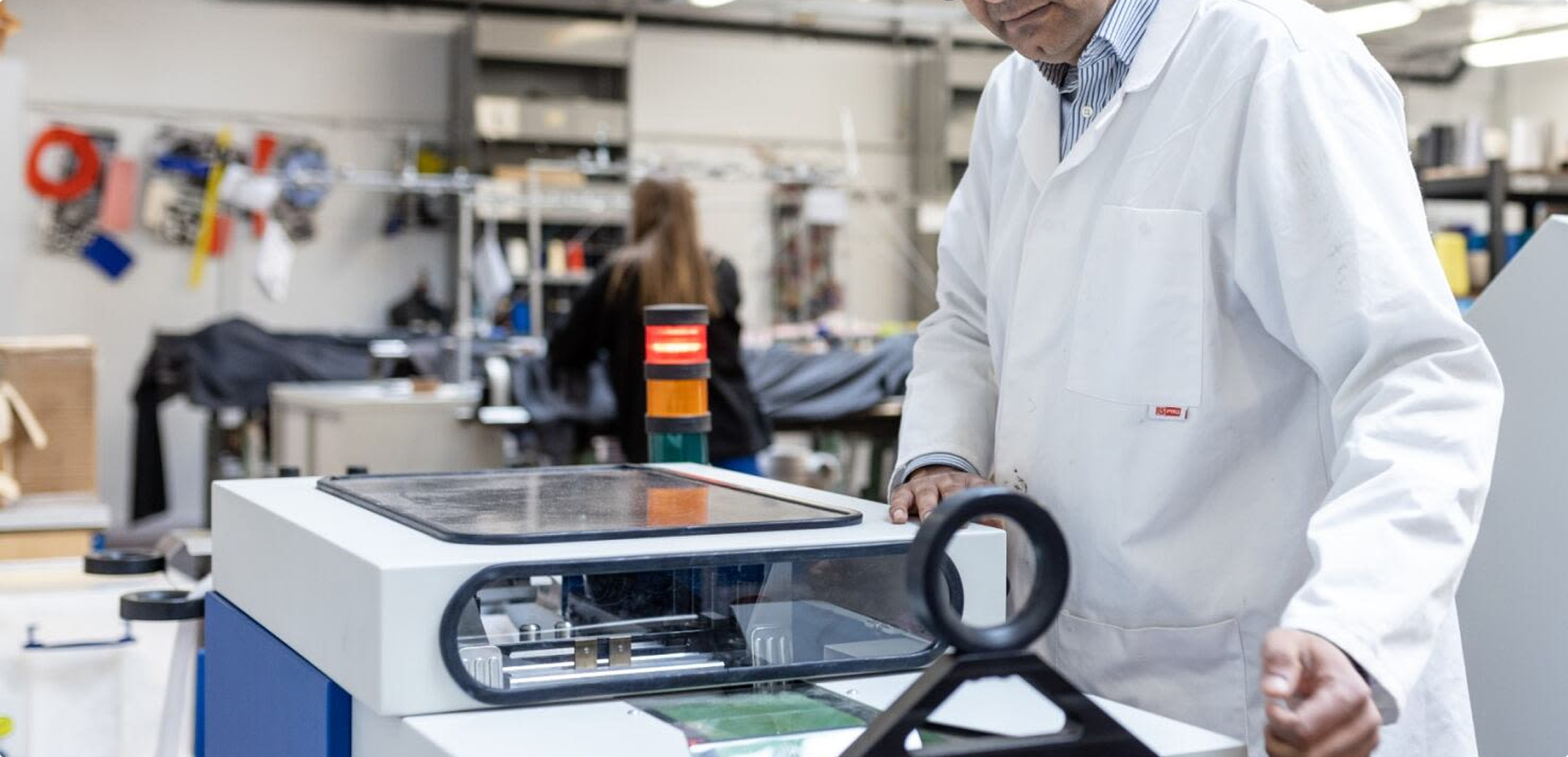
TDI also develops new ways to make clothing stronger, more flexible, washable, and long-lasting. By balancing function, comfort, and style, this team helps ensure smartwear is practical as well as effective.
This domain is led by Dr. Patricia Dolez, Professor of Textile Science at the University of Alberta. Team members include experts in textile science, adaptive fashion design, industrial design, smart textiles, engineering, textile computing, prototyping, and manufacturing, and social justice from universities, research centres, and industry partners across North America and in Europe and Australia.
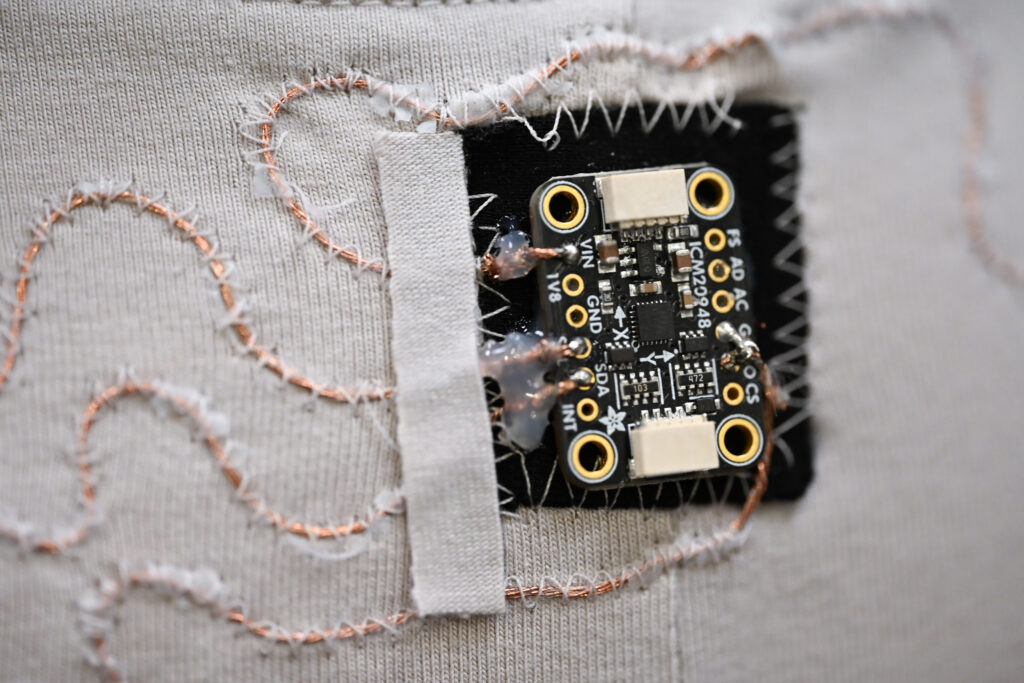
Actuators & Sensors
The Actuators and Sensors teams build the main working parts of smartwear by placing advanced features directly into textile fibres.
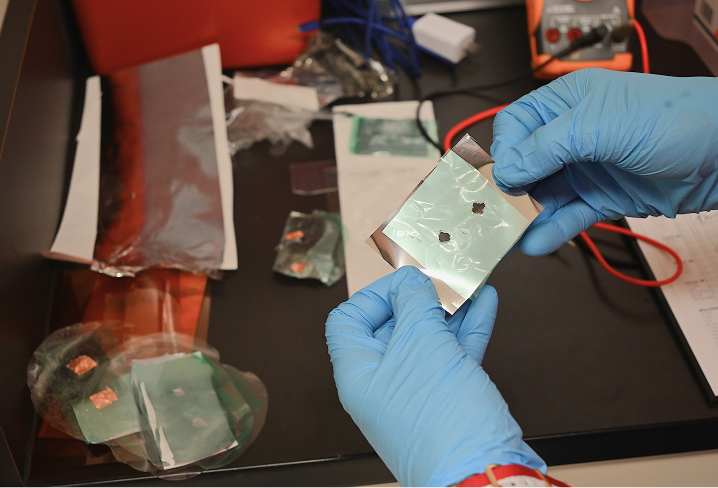
Actuators/Fibres
Actuators help clothing provide gentle support or movement assistance when needed. For example, a garment may become firmer to support posture or help someone lift an arm or stand more easily. These systems must be flexible, lightweight, and suitable for clothing production. The Actuators domain is led by Dr. Dan Sameoto. Team members include specialists in materials science, robotics, and wearable technology.
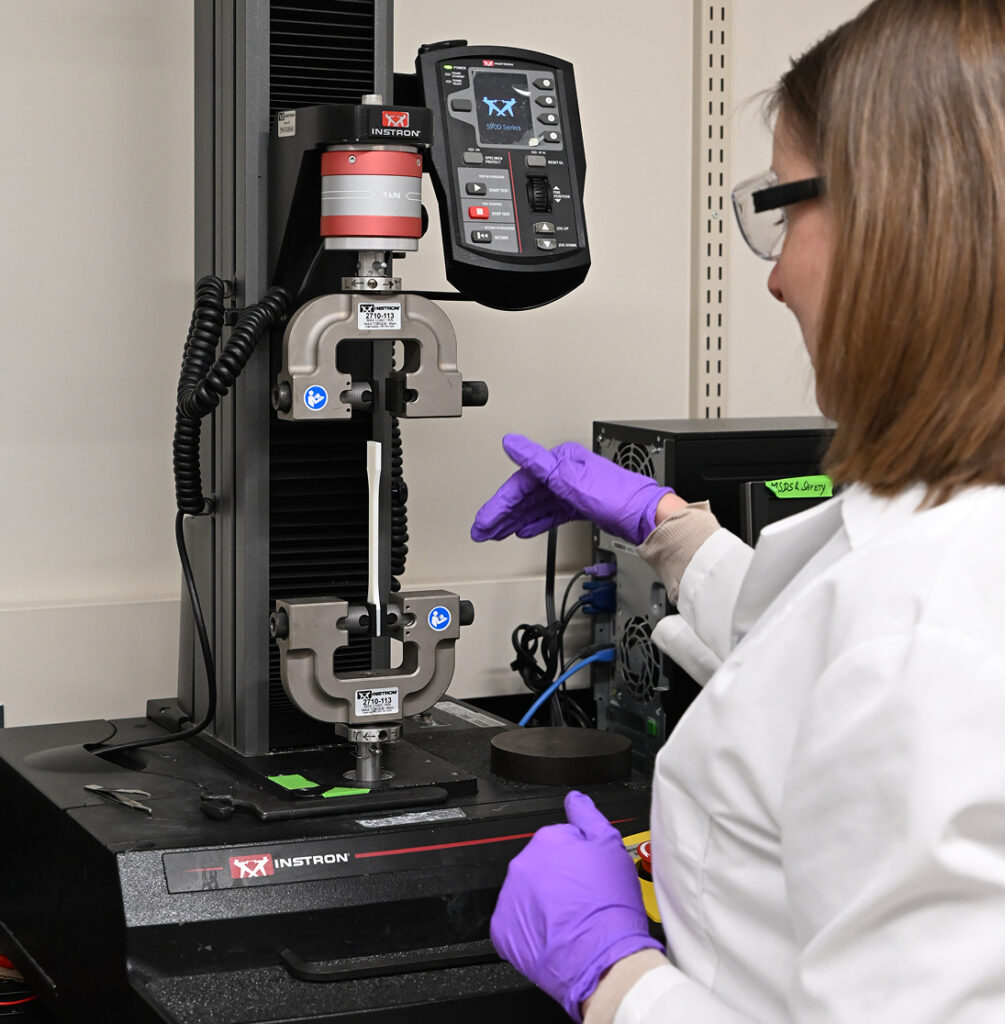
Sensors
Sensors gather information about the body, such as movement, position, or muscle activity. They are designed to work quietly and comfortably without getting in the way. When sensors and actuators work together, smartwear can respond to the wearer in helpful ways. The Sensors domain is led by Dr. Anastasia Elias. Team members include specialists in materials science, robotics, and wearable technology.
Actuators & SensorsControl & Artificial Intelligence
The Control and Artificial Intelligence (AI) I team helps smartwear make decisions and respond in useful ways. It studies signals from the body, such as motion or muscle activity, and turns that information into the right kind of support.
For example, if a person begins to lose balance, the garment could react quickly to provide extra stability. If the wearer changes activities, the clothing could adjust automatically.
This team focuses on systems that are safe, reliable, and personalized. Over time, smartwear may learn a user’s habits and preferences so it can provide support that feels natural and smooth.
The Control and AI domain is led by Dr. Mahdi Tavakoli. Team members include experts in robotics, machine learning, and human movement.
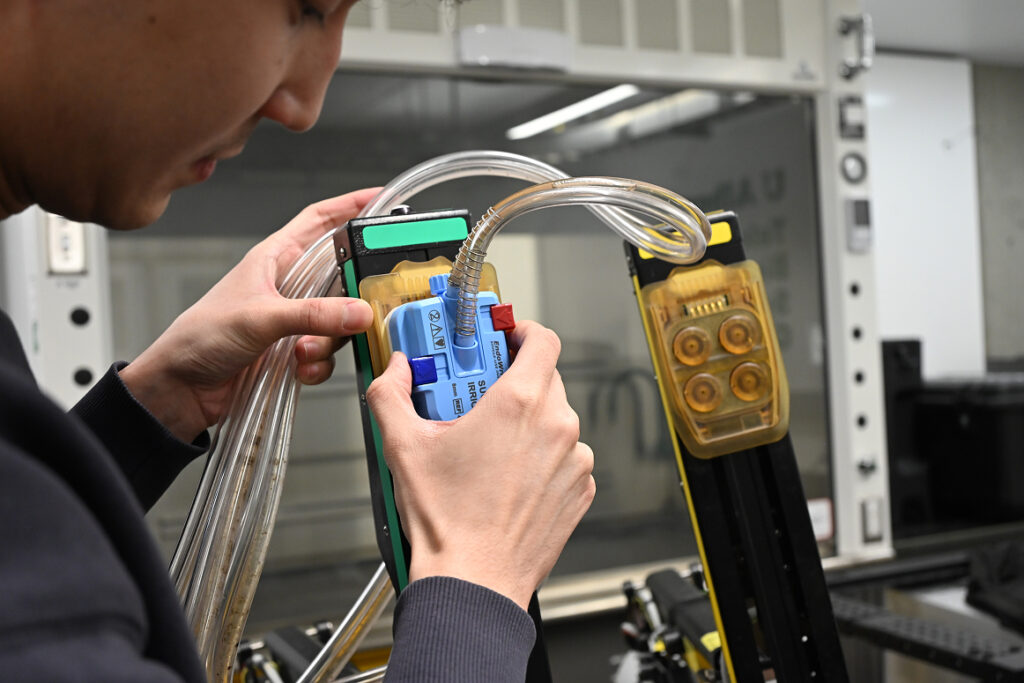
Power
The Power team develops energy systems that allow smartwear to work throughout the day. This includes batteries, wireless charging, and other ways to safely provide power.
Because the technology is worn on the body, power systems must be light, comfortable, and dependable. They also need to fit into clothing without changing how the garment looks or feels.
The team works on making energy systems more efficient so smartwear can do more while using less power.
The Power domain is led by Dr. Lingzi Sang. Team members include researchers in energy storage, battery design, and wireless technology.
Biomechanics
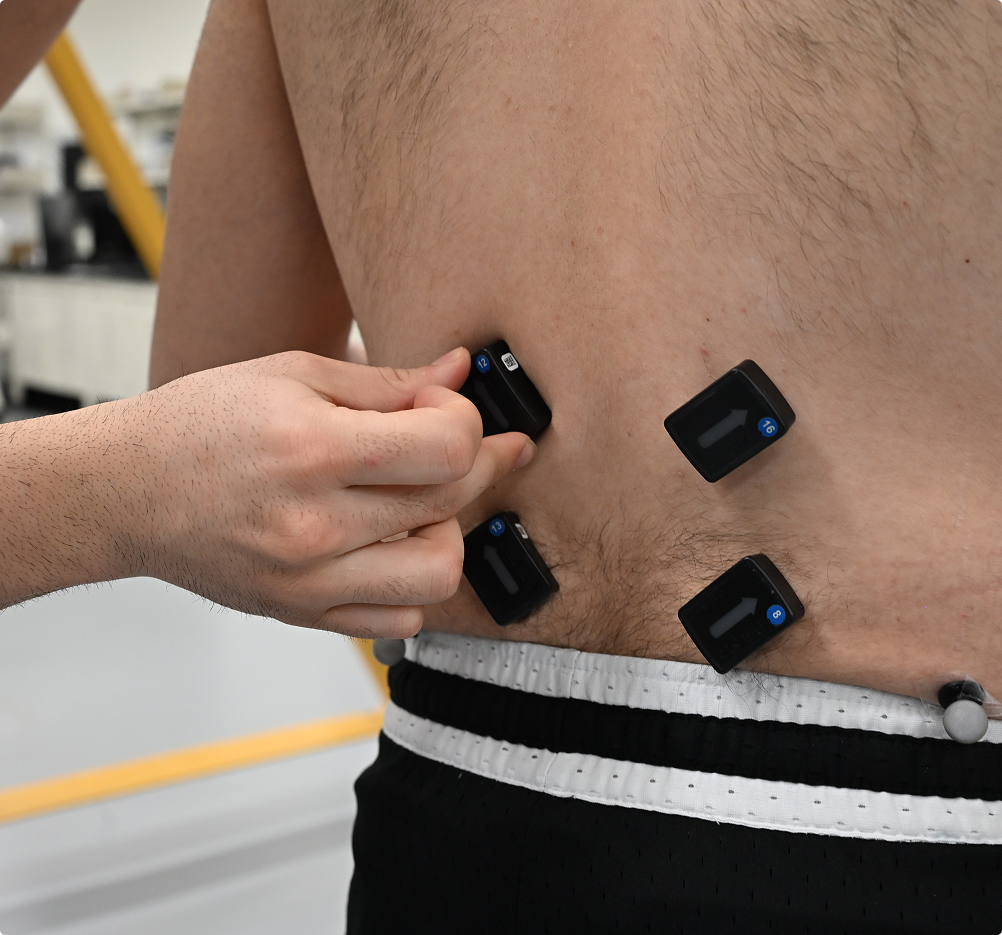
The Biomechanics team studies how people move. This knowledge helps design smartwear that is safe, comfortable, and truly helpful.
Researchers examine posture, walking, balance, and muscle use during everyday tasks. They use this information to decide where support is needed and how much assistance should be given.
The team also tests how well smartwear works. They study whether it reduces effort, improves stability, or helps people move more easily.
Because people have different body types, abilities, and needs, biomechanics helps make sure smartwear can work for many users.
The Biomechanics domain is led by Dr. Albert Vette. Team members include experts in movement science, nutrition, rehabilitation, and engineering.