Textile & Design Integration (TDI) connects smart technology with clothing design.
The goal is to create garments that are useful, comfortable, attractive, and easy to wear. This team works on adding sensing tools and support systems directly into fabrics and clothing shapes so they feel like regular clothes.
A major focus is designing for real life. Clothing must fit many body types, allow natural movement, and work during everyday activities. The team studies how fabric choice, garment shape, and construction can improve comfort and performance.
TDI also develops new ways to make clothing stronger, more flexible, washable, and long-lasting. By balancing function, comfort, and style, this team helps ensure smartwear is practical as well as effective.
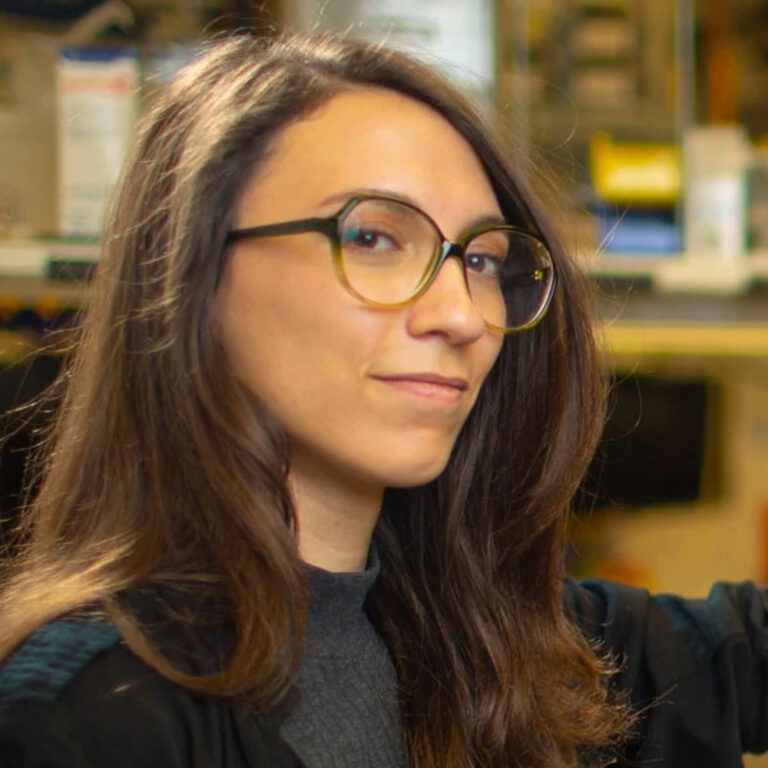
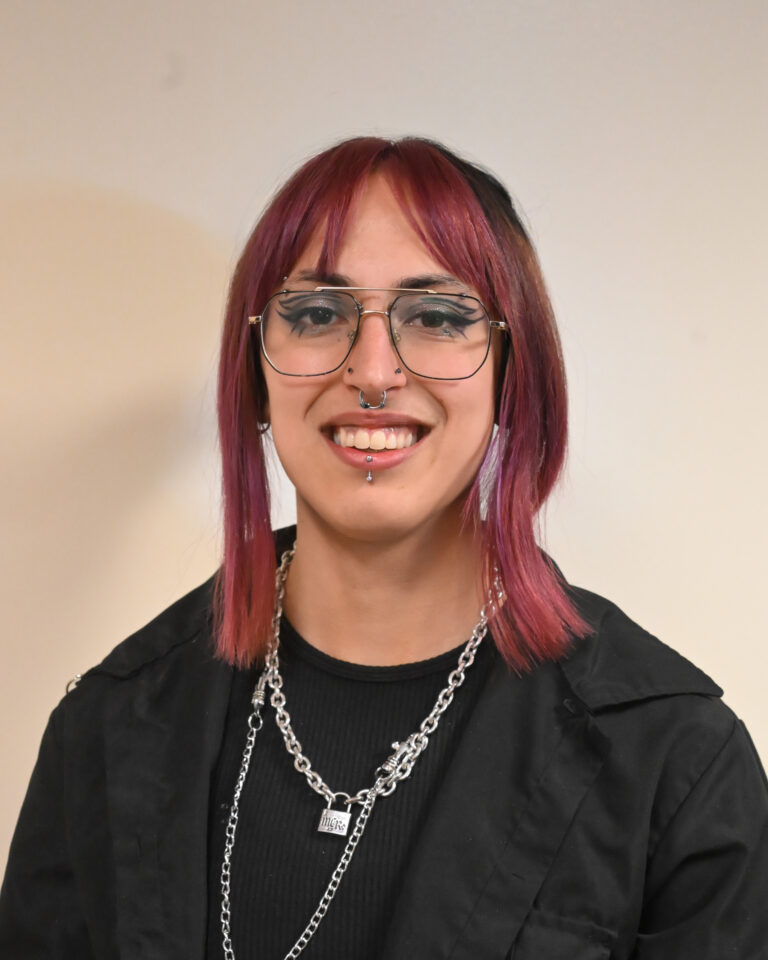
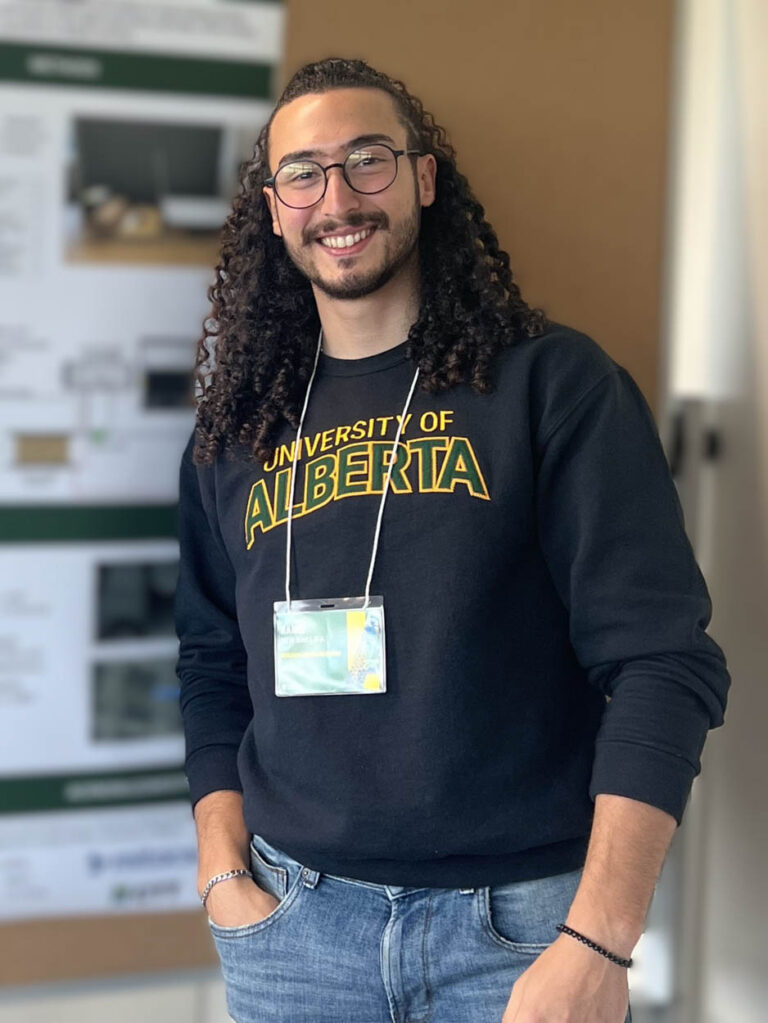
This domain is led by Dr. Patricia Dolez, Professor of Textile Science at the University of Alberta. Team members include experts in textile science, adaptive fashion design, industrial design, smart textiles, engineering, textile computing, prototyping, and manufacturing, and social justice from universities, research centres, and industry partners across North America and in Europe and Australia.
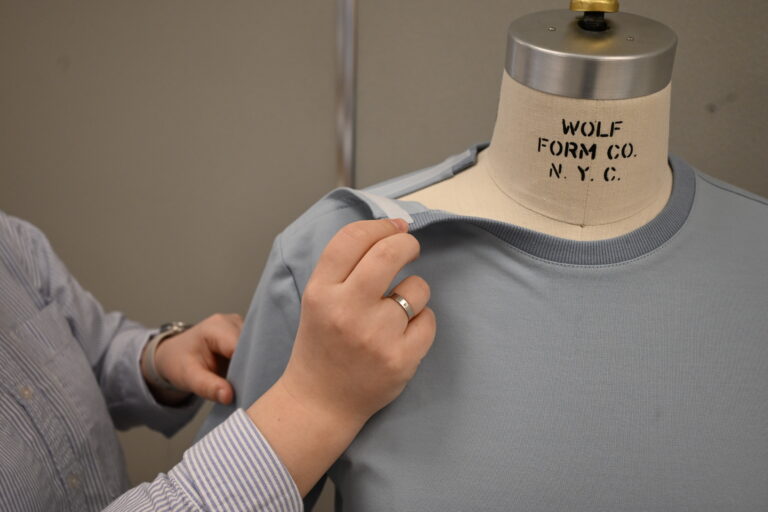
Fitting a prototype garment on a female dress form.
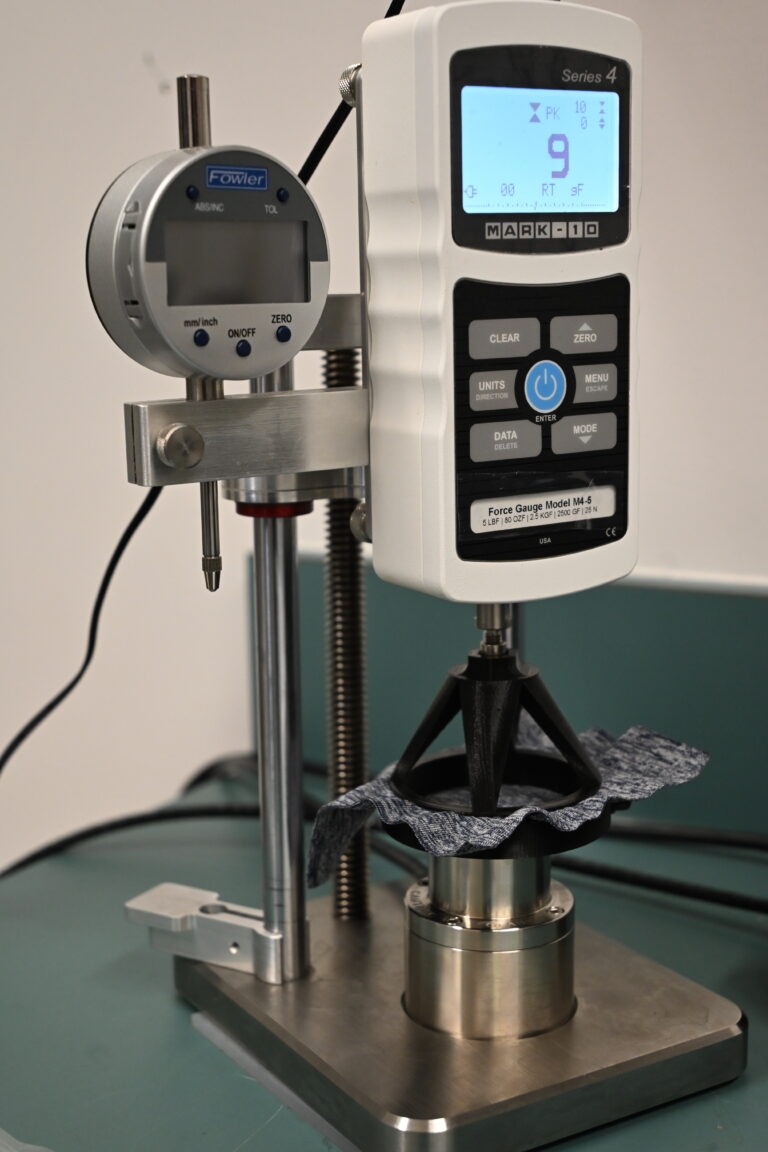
Measuring the thermal effusivity of fabrics.
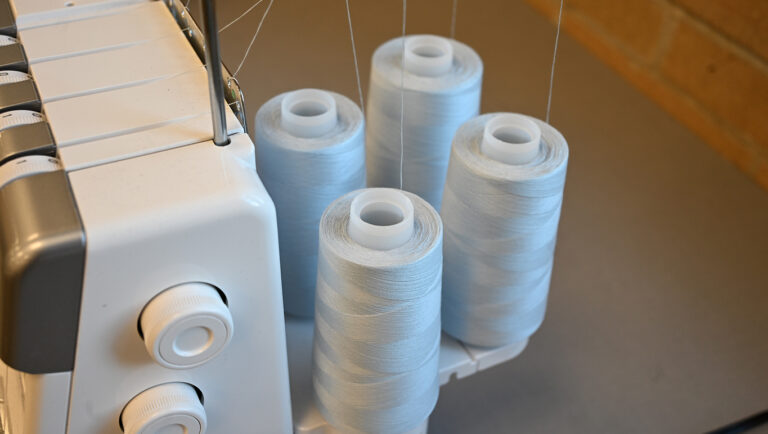
Overlock machine threaded and ready for garment construction.
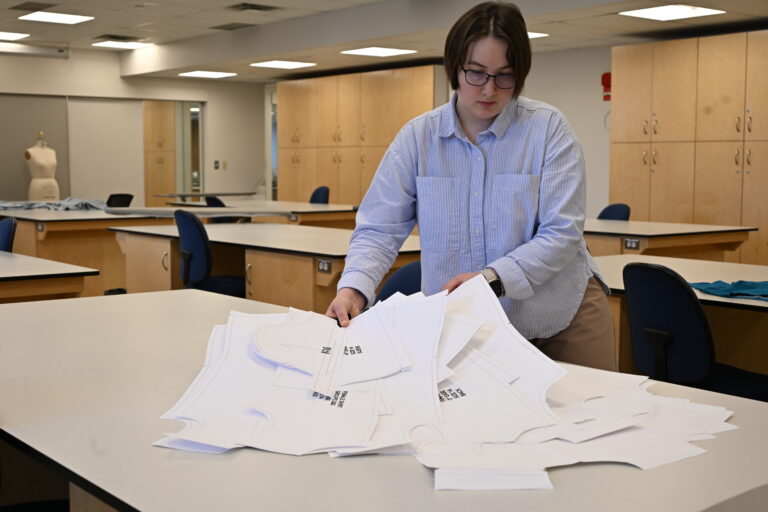
Highly Qualified Personnel Elena Kosareva laying out garment pattern pieces in her lab.
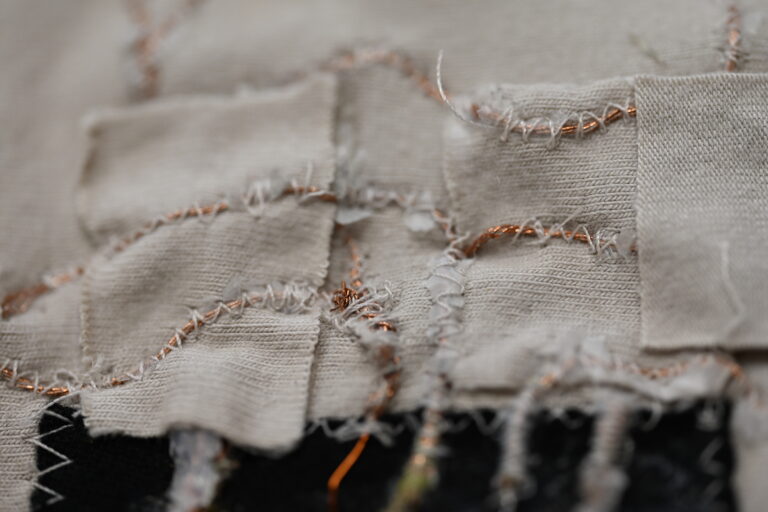
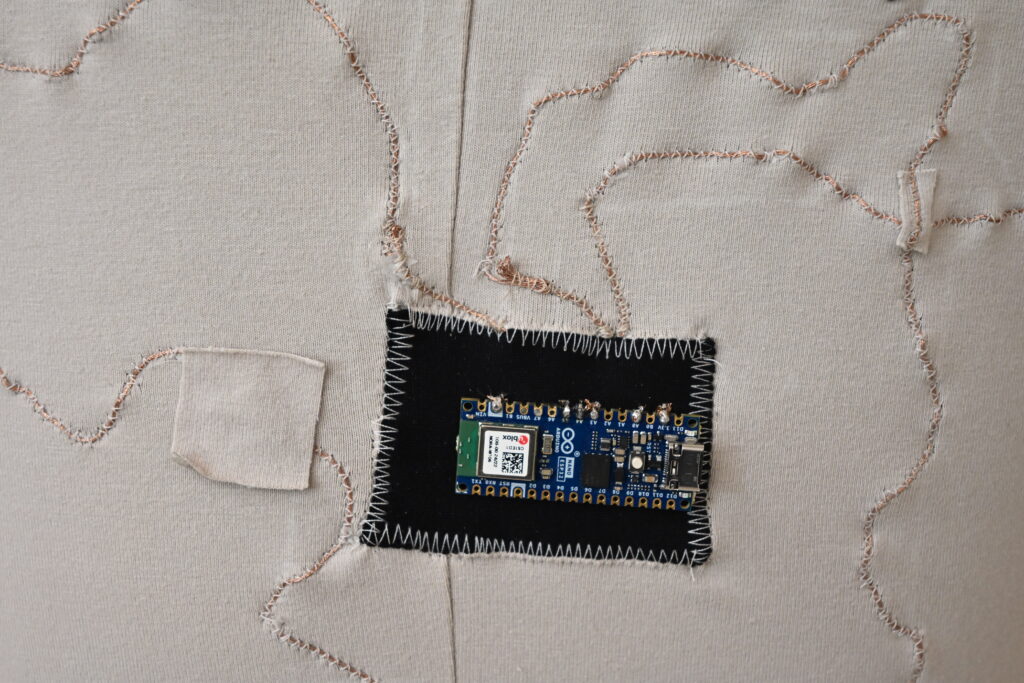
Close-up of fabric patch construction, showing copper conductive thread stitched between garment panels.
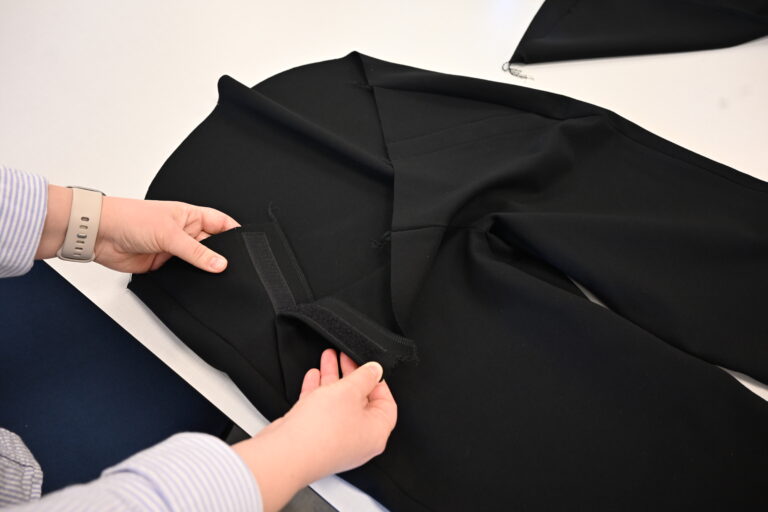
Attaching a hook-and-loop closure on a smart textile prototype.
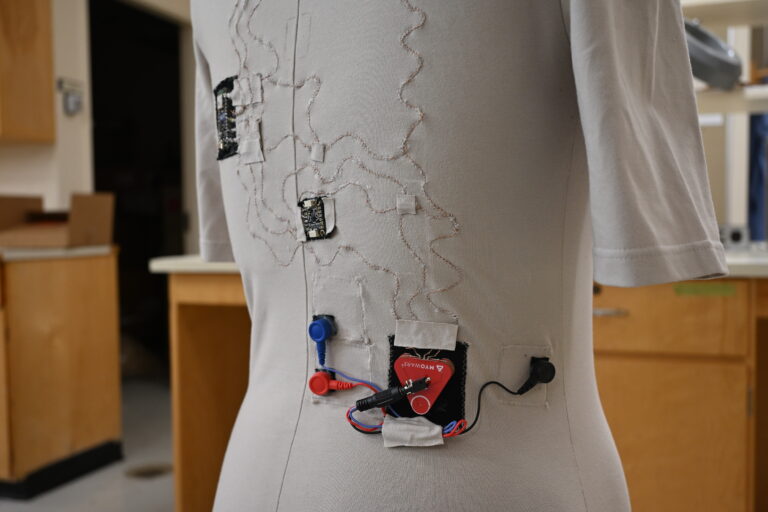
Prototype smart shirt on a dress form, with copper conductive thread traces connecting multiple EMG sensors and a microcontroller module.
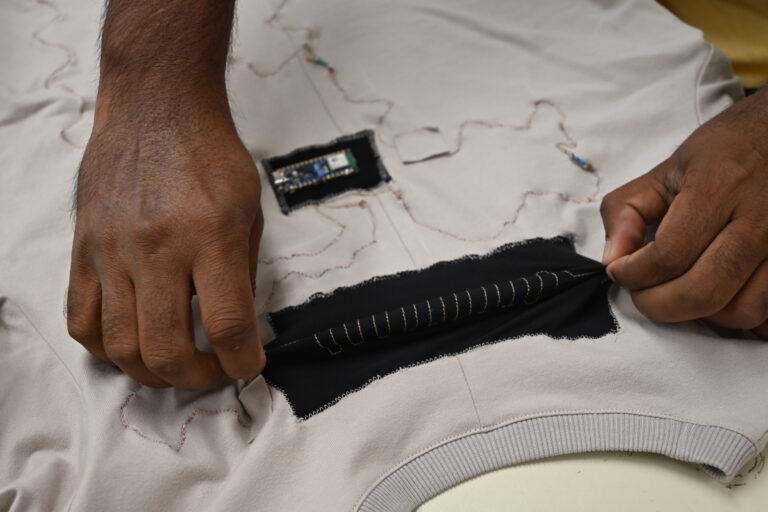
Testing the yarn strain gauge.
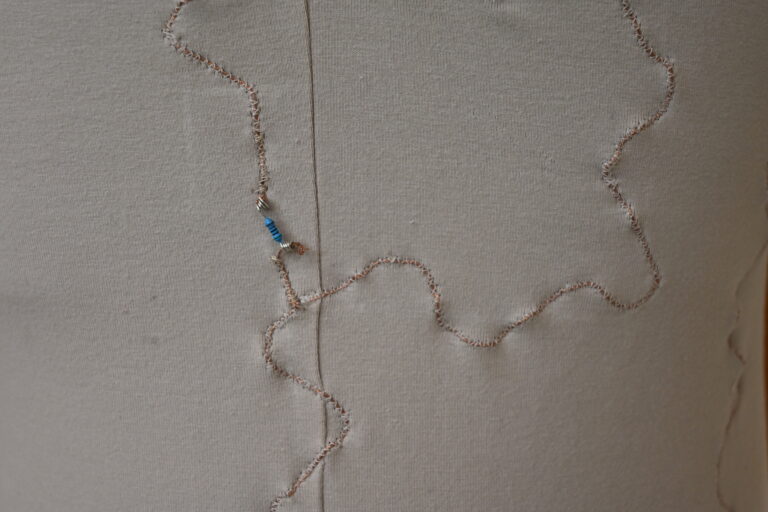
Close-up of a stitched copper thread circuit trace with an inline resistor. All photos: Aynaz Raoufian