
Filter Resources by
Disabilities in Canada: “According to the 2006 Participation and Activity Limitation Survey, there are roughly 4.4 million children and adults with disabilities in this country, which means that approximately one in seven Canadians now has a disability. This represents an increase in the overall population reporting a disability, from 12.4% in 2001 to 14.3% in 2006. This increase is largely due to an aging population, as well as to an increase in reported learning disabilities.
The most common types of disabilities among adults are pain, mobility, and agility-related disabilities. These three types of disability increased significantly from 2001 to 2006, which is partially attributable to a growing percentage of seniors reporting these disabilities relative to the total population.” (Federal Disability Research Guide, n.d.).
The Social Justice Working Group refers to both Disability Justice Principles and DisCrit (Disability Critical Race Theory) as models for their work within the Smartwear Revolution research project, as well as supporting ways to dismantle ableism in the workplace.
Social Justice resource
Disability Justice Principles
-
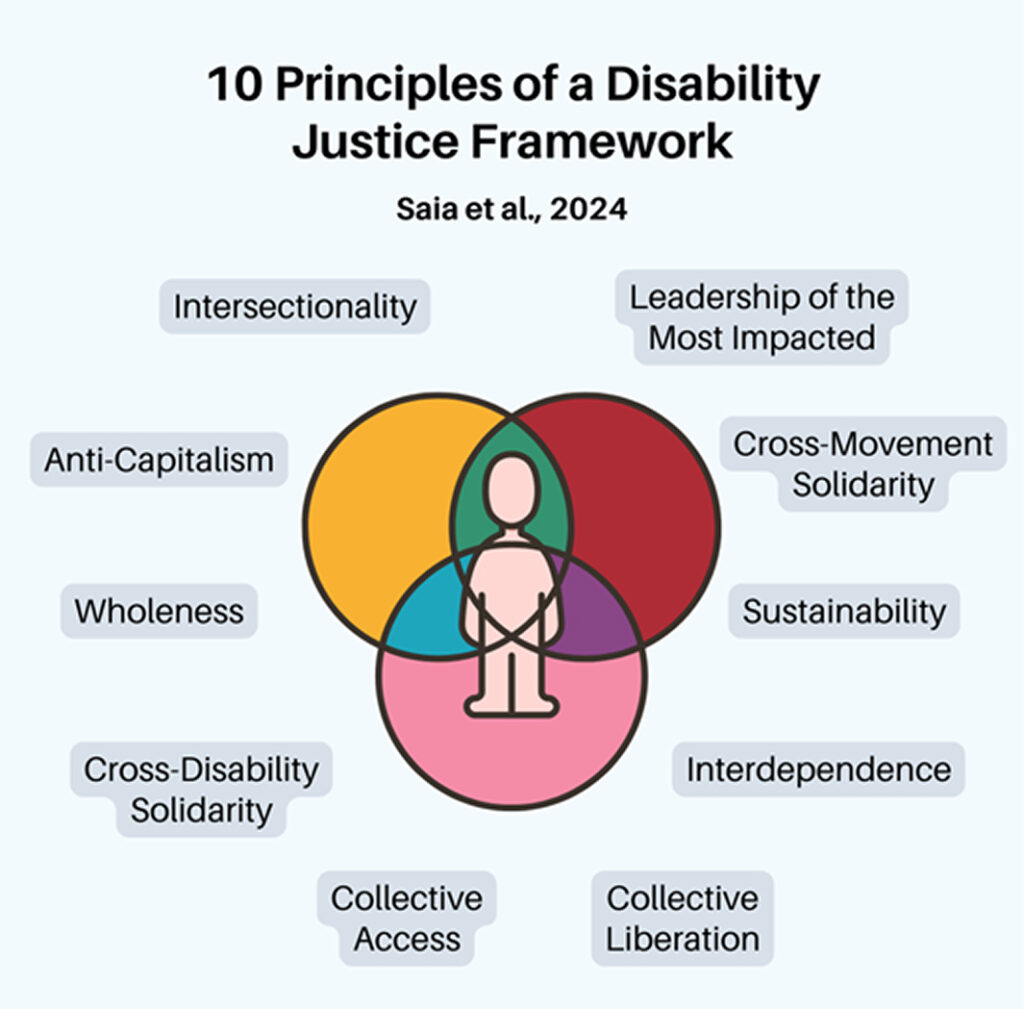
Intersectionality
Embraces the array of identities disabled people have, including experiences on race, class, sexuality, age, religion, socioeconomic status, religious background, geographical location, immigration status, and more. Consideration of these identities is fundamental to understanding the experiences of disabled people.
-
Leadership
Puts queer, disabled people of color and their experiences at the forefront of dismantling oppressive systems and leading social justice movements, addressing real-life challenges, and developing creative approaches to addressing oppressions.
-
Anti-capitalism
Challenges the historically oppressive system of capitalism that thrives on mass production and exploitation of peoples, bodies, minds, and health for the sake of profit and wealth.
-
Cross-movement Solidarity
Emphasizes collaboration and partnership with other social justice movements, an important and vital aspect of ensuring justice and liberation for all.
-
Recognizing Wholeness
Disability justice honors all people and their experiences, and history as part of the whole human experience.
-
Sustainability
Challenges the capitalistic-imposed state of urgency, promoting a more sustainable approach to living that emphasizes the body, mind, and experiences to honor gradual, progressive, and transformative change to attain justice and liberation.
-
Cross-disability solidarity
Promotes and values all disabled community members, eliminating the hierarchy of disabilities and elevating the voices of those left out of political discussions. Impenetrable solidarity allows for collective liberation and reduction of isolation.
-
Interdependence
Rejects the colonialist ideas of independence. Disability justice promotes and creates an environment where interdependence is valued, honored and achieved collectively.
-
Collective access
Acknowledges that all people fall on the spectrum of functional and access needs depending on their context and environment. It eliminates the shame often faced by access needs on an individual and collective level. There is recognition that collective access is possible when everyone shares the responsibility to create access.
-
Collective liberation
Honors the individuality of all body-minds and their intersectional identities. And that together, all people are valued, seen, and included.
Social Justice Resource
Principles of DisCrit
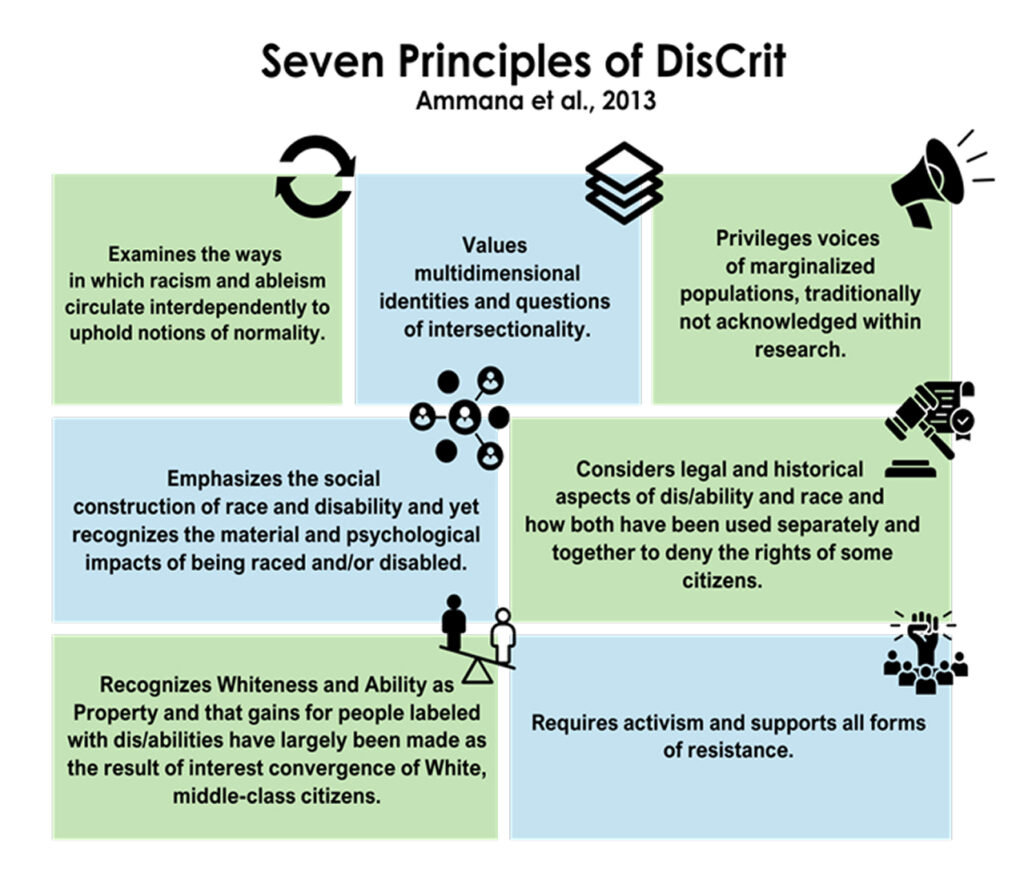
DisCrit focuses on ways that the forces of racism and ableism circulate interdependently, often in neutralized and invisible ways, to uphold notions of normality.
DisCrit values multidimensional identities and troubles singular notions of identity such as race or dis/ability or class or gender or sexuality, and so on.
DisCrit emphasizes the social constructions of race and ability and yet recognizes the material and psychological impacts of being labeled as raced or dis/abled, which sets one outside of the western cultural norms.
DisCrit privileges voices of marginalized populations, traditionally not acknowledged within research.
DisCrit considers legal and historical aspects of dis/ability and race and how both have been used separately and together to deny the rights of some citizens.
DisCrit recognizes Whiteness and Ability as Property and that gains for people labeled with dis/abilities have largely been made as the result of interest convergence of White, middle-class citizens.
DisCrit requires activism and supports all forms of resistance.
Technology & Textiles Resources
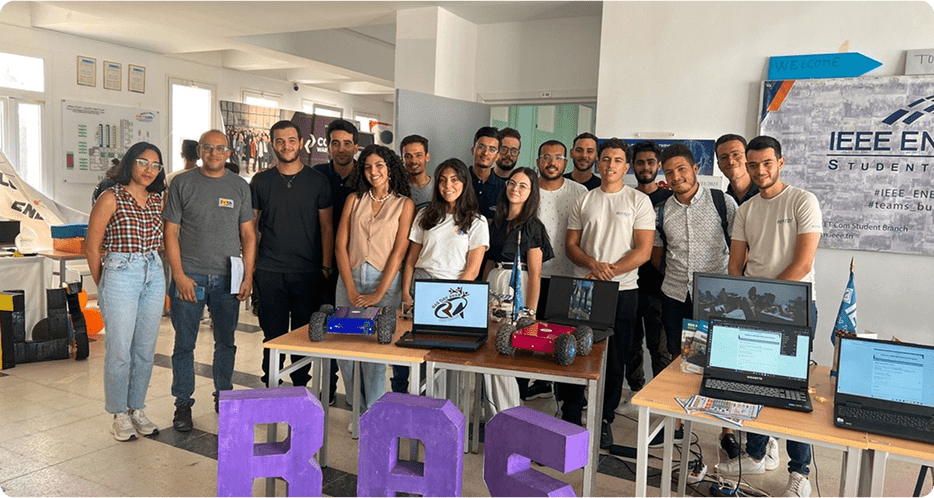
IEEE Robotics and Automation Society
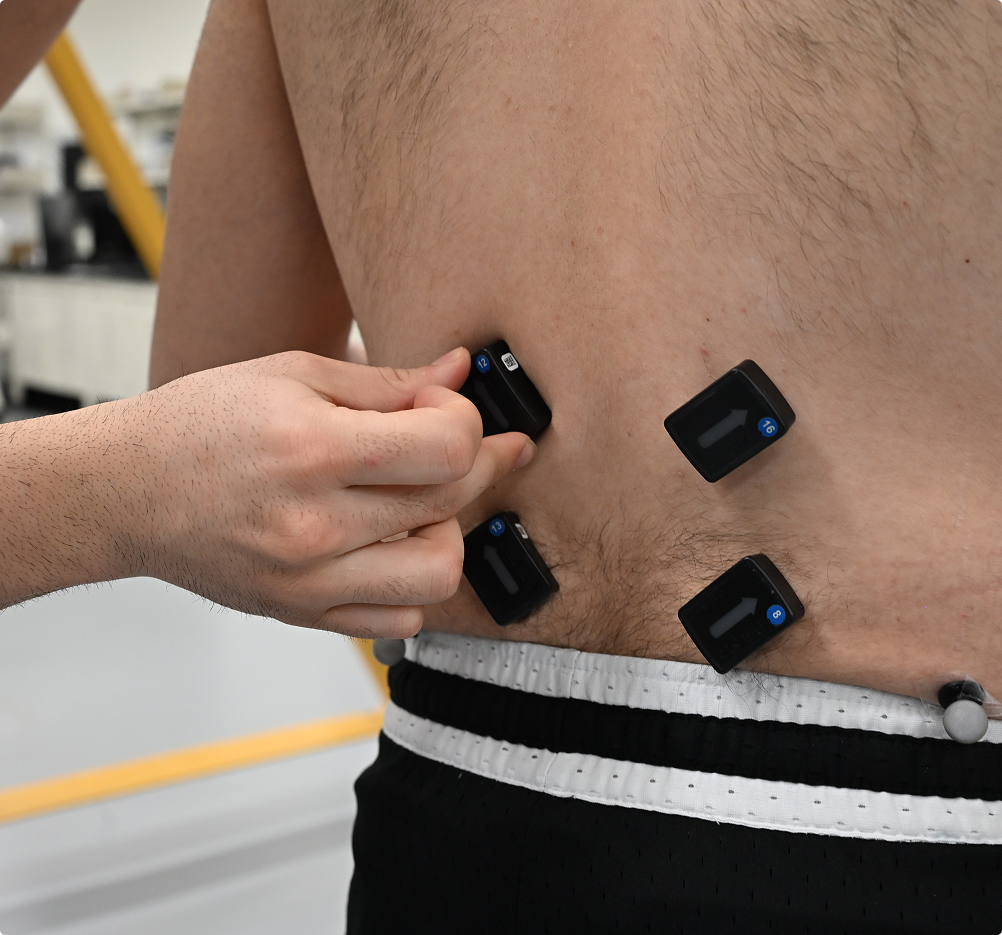
International Society of Biomechanics

iSmart

Alberta Machine Intelligence Institute
Ahead of launching the open call for artworks and artist residencies in October 2026, the Smartwear Art & Design Working Group team researched disability arts organisations and accessibility practices. The initial sharing of this work and community engagement was through a series of eSymposia in June 2026, with Artists & Accessibility was on 10th June, Ecologies of Care on 15th June, and Cripping Collaboration on 17th June. Each session included
Artists & Accessibilty
How can we create and distribute open calls, artist supports, and opportunities that centre accessibility as a baseline, and not an afterthought? Presentations by Carly Neis, Brooke Leifso and Aynaz Raoufian, followed by exchanging thoughts and thinking together about what accessibility means to artists.
Artists & Accessibilty eSymposium
Ecologies of Care
How can the artistic endeavors of the Smartwear Project contribute to supporting and strengthening existing networks that curate / present / give space & resources to disability arts practices? Presentations by Nexi Alarcon, Jenn Kowalchuk, Sean Lee and Ginger Carlson, followed by thinking together about how to support and expand an ecosystem of disability arts networks.
Ecologies of Care eSymposium
Cripping Collaboration
How can we invite, embody, and sustain modes of collaboration that truly support extraordinary ways of thinking and making? Presentations by Carla Rice, Claudia Alick and Louise Hickman, followed by exchanging thoughts and thinking together about the ideal conditions for a truly extraordinary collaboration.
Cripping Collaboration eSymposiumEcologies of care reference ORGANIZATIONS:







Accessibility Best Practices
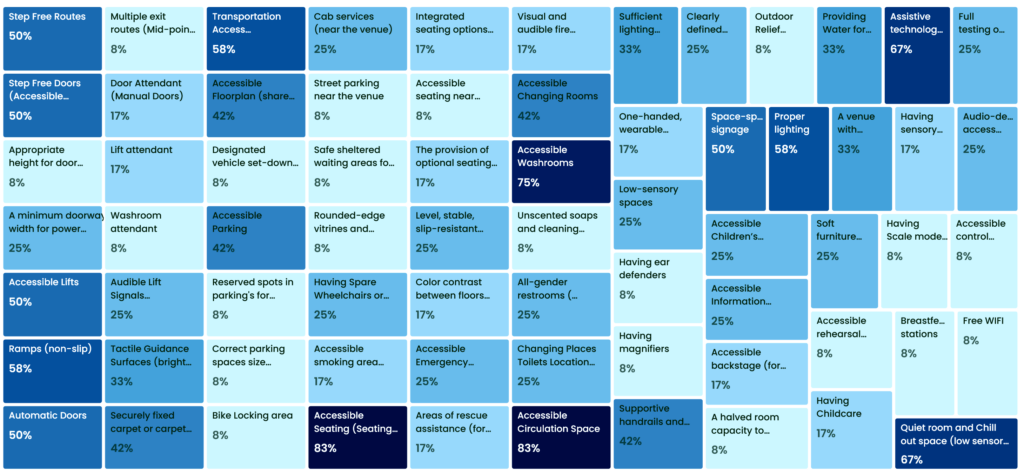
To inform our open call and how we plan the festivals, we conducted a literature review of accessibility in artistic practice and analyzed access strategies across Canadian and international arts organizations, with particular attention to the perspectives of disabled and differently abled artists. The research was structured through a comparative spreadsheet mapping accessibility features across reviewed toolkits, organized into five categories: venue, presenting artwork, programming, communication and marketing, and artists and art-making.
Accessibility reference ORGANIZATIONS:





Selected Bibliography
- Boyer, Anne. The Undying: A Meditation on Modern Illness. Allen Lane, 2019
- Cachia, Amanda. The Agency of Access: Contemporary Disability Art & Institutional Critique. Temple University Press, 2024.
- Chen, Mel Y., Alison Kafer, Eunjung Kim, and Julie Avril Minich. Crip Genealogies. ANIMA: Critical Race Studies Otherwise, 2023.
- Clare, Eli. Brilliant Imperfection: Grappling with Cure. Duke University Press Books, 2017.
- Crawshaw, Gill. Rights Not Charity: Protest Textiles and Disability Activism. Common Threads Press, 2023.
- Dokumaci, Arseli. Activist Affordances: How Disabled People Improvise More Habitable Worlds. Duke University Press, 2023.
- Dormancy, Reseeding, Resistance study group. Phytocrip, A Nomenclature. Ei Mainoksia, Kiitos! & Paola Jalili, 2025.
- Ellis, JJJJJerome. The Clearing. Wendy’s Subway Document Series, 2021.
- Fink, Jennifer Natalya. All Our Families: Disability Lineage and the Future of Kinship. Beacon Press, 2022.
- Fries, Kenny. “Design and Disability.” E-Flux Criticism, November 25, 2025. https://www.e-flux.com/criticism/6782350/design-and-disability.
- Hadley, Bree, and Donna McDonald. The Routledge Handbook of Disability Arts, Culture, and Media. Routledge, 2018.
- Hedva, Johanna. How to Tell When We Will Die: On Pain, Disability, and Doom. Zando, 2024.
- Hermannsdóttir, Júlía. Cheat Sheet. Hverdag Books, 2023.
- Jun, Grace. Fashion, Disability, and Co-Design: A Human-Centered Design Approach. Bloomsbury Publishing, 2024.
- Kafer, Alison. Feminist, Queer, Crip. Indiana University Press, 2013.
- Kim, Jina B. Care at the End of the World: Dreaming of Infrastructure in Crip-of-Color Writing. Duke University Press, 2025.
- Leduc, Amanda. Disfigured: On Fairy Tales, Disability, and Making Space. Coach House Books, 2020.
- McArthur, Park, and Constantina Zavitsanos. “Other Forms of Conviviality: The Best and Least of Which Is Our Daily Care and the Host of Which Is Our Collaborative Work.” Women & Performance: A Journal of Feminist Theory 23, no. 1 (2013): 126–32. https://doi.org/10.1080/0740770x.2013.827376.
- Maté, Gabor. The Myth of Normal: Trauma, Illness and Healing in a Toxic Culture. Random House, 2025.
- Millett-Gallant, Ann. The Disabled Body in Contemporary Art. Springer, 2010.
- Mills, Mara, and Rebecca Sanchez. Crip Authorship: Disability as Method. NYU Press, 2023.
- Muñoz, Bárbara Rodríguez. Health. Documents of Contemporary Art, 2020.
- Piepzna-Samarasinha, Leah Lakshmi. Care Work: Dreaming Disability Justice. Arsenal Pulp Press, 2018.
- Piepzna-Samarasinha, Leah Lakshmi. The Future Is Disabled: Prophecies, Love Notes and Mourning Songs. Arsenal Pulp Press, 2022.
- Rose, Tania J., Justin Newton Scanlan, and Mary-Ann O’Donovan. “Creative Practitioners Facilitating Arts Practices for People with Intellectual and Developmental Disability, and Cognitive Differability: A Scoping Review.” Disability & Society 41, no. 2 (2025): 495–520. https://doi.org/10.1080/09687599.2025.2544716.
- Saarloos, Simon(e) van. Against Ageism: A Queer Manifesto. SPBH Editions, 2025.
- Sandell, Richard, Jocelyn Dodd, and Rosemarie Garland-Thomson. Re-Presenting Disability: Activism and Agency in the Museum. Routledge, 2013.
- Temple Jones, Chelsea, Randy Johner, Anna Lozhkina, and Rachel Walliser. “Voice, Communication Technology, Disability, and Art: An Interdisciplinary Scoping Review and Reflection.” Disability & Society 39, no. 5 (2022): 1297–316. https://doi.org/10.1080/09687599.2022.2114883.
- Waerea, Kaiya. Access Questions for Self-Publishing. Second edition. PageMasters, 2024.
- Wong, Alice. Disability Intimacy: Essays on Love, Care, and Desire. Vintage, 2024.
- Wong, Alice. Disability Visibility: First-Person Stories from the Twenty-First Century. Vintage, 2020.