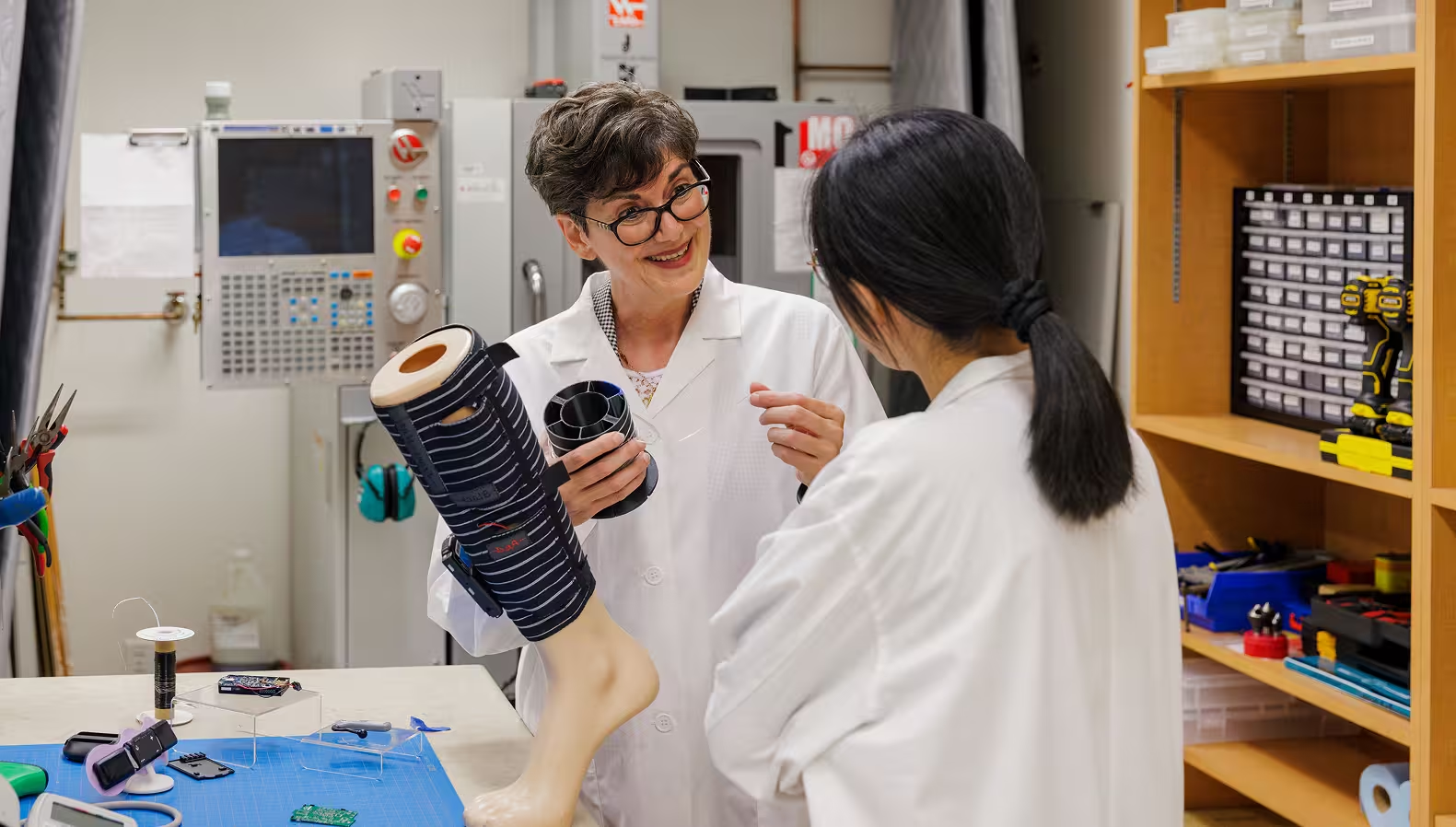
Smartwear Revolution is a large, co-developed research project led by researchers at the University of Alberta and a team of international researchers, funded through a six-year New Frontiers in Research Fund Transformation Grant beginning in 2025.
The project involves the co-design of smartwear fibres to create intelligent garments that provide trunk, arm, and leg support for activities of daily living, while also supporting injury prevention for People with Lived Experience of injury and/or disability (PLEX) of neuromuscular weakness, adults of an older age, caregivers and healthcare workers.
Through the creative research collaborations between technology, textiles, social justice, artists, designers, and PLEX, new smartwear technologies and fibres will be co-designed and shared to the community in a series of symposia, exhibitions, and publications. The creative possibilities of our smart garments will be shared in public facing art and technology festivals, featuring visual art, performance and dance, live dress and fashion design collections, and creative research design presentations that showcase the evolution of the Smartwear Revolution research project.
Smartwear Adaptive Properties
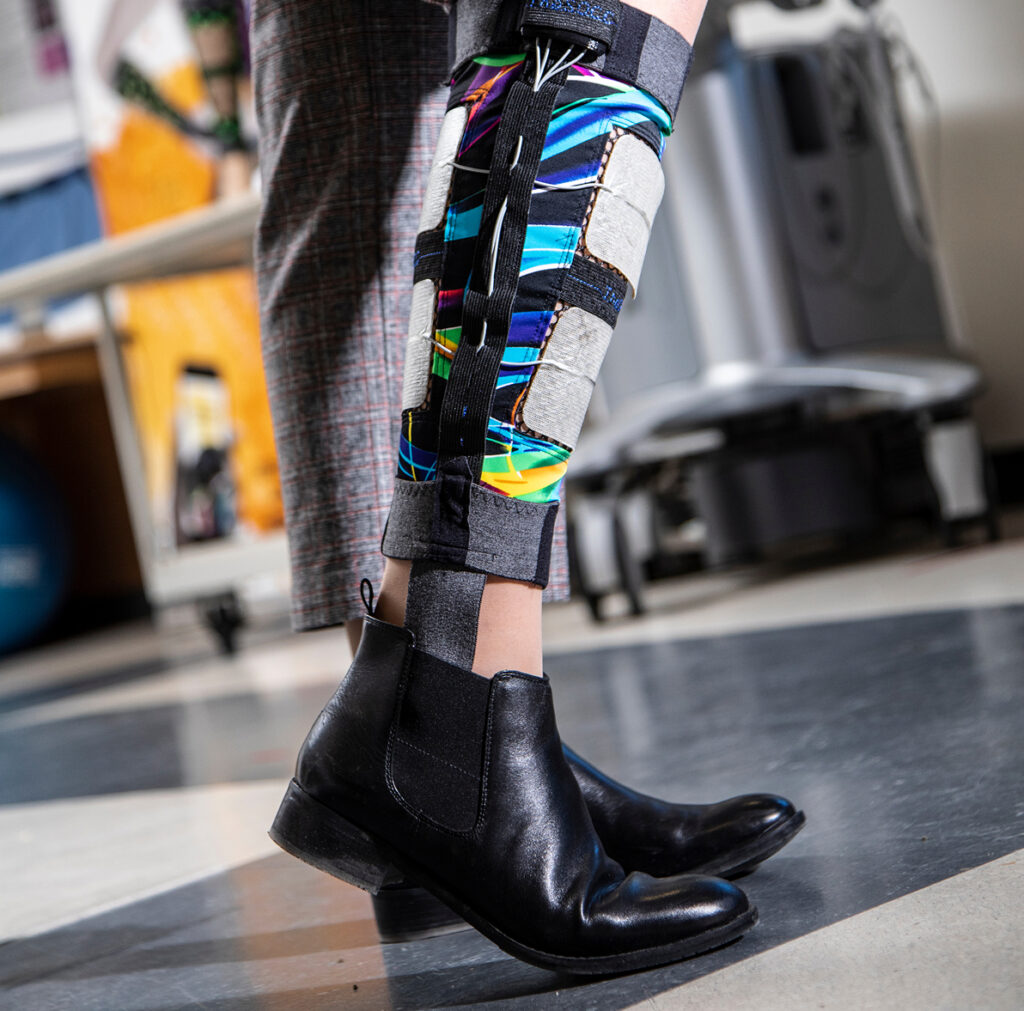
Our transformative smart garments will serve as clothing with adaptive mechanical properties that can augment posture, balance, arm movements, and walking. PLEXTEX will be co-designed with People with Lived Experience (PLEX) of neuromuscular weakness related to aging, congenital conditions, or acquired conditions, and for caregivers and healthcare professionals seeking injury prevention. With adaptive sensing, actuating and battery power properties built within the fibres of our smart garments, a change to the clothing stiffness and shape promises to provide physical support and movement augmentation as needed.
Interdisciplinarity
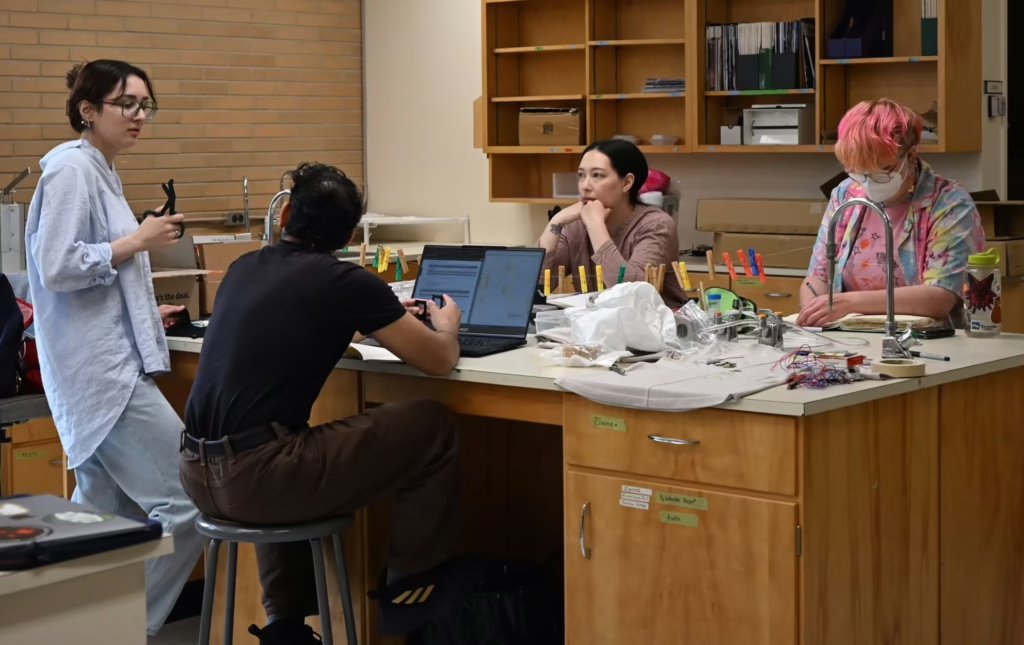
Smartwear Revolution is a transdisciplinary project that integrates research and creative practice across technology, textiles, social justice, art, design, and the lived expertise of PLEX participants. In order to engage meaningfully with diverse PLEX, the Smartwear Revolution team has adopted an intersectional social justice lens alongside a range of arts-based participatory methods. These methods include co-design activities where folks with neuromuscular disabilities, adults of an older age, caregivers and healthcare workers share knowledge and lived experiences to guide the development of our smart garments. The project also includes numerous opportunities for artists, performers and designers to respond creatively to the Smartwear Revolution project through an artist in residence program, and open calls for art exhibitions, performances, dress events and community engagement. These activities will culminate in a large public-facing hybrid Art & Technology festival later in the project. Finally, our Researching the Research project will focus on capturing and understanding how multi-stakeholder, transdisciplinary research projects, such as Smartwear Revolution, are co-developed through research-creation and social justice practices.
NFRF Funding
The Smartwear Revolution research project is funded by the New Frontiers in Research Fund (NFRF) Transformation stream, receiving up to $24 million between 2025-2031.
In 2024, the Government of Canada announced that it was distributing $142 million via the New Frontiers in Research Fund (NFRF) Transformation Stream. The funding from the NFRF-T grant program supports large-scale, Canadian-led interdisciplinary research projects that address major challenges, and achieve high impact through the potential to impart real and lasting change. To date, there have been three competitions of the NFRF Transformation grant funding stream, which runs every two years. Teams are awarded grants of up to $24 million over six years.

“We know that the science of today is the economy of tomorrow. With these investments, we are empowering our brightest minds to push the boundaries of discovery, tackle complex global challenges, and create real solutions that will improve lives and the world we live in. Our government remains dedicated to supporting world-class research and ensuring Canada stays at the forefront of innovation.”
—The Honourable François-Philippe Champagne, Minister of Innovation, Science and Industry
“[The NFRF-T Grant Program announcement] highlights the critical importance of investing in all areas of research and innovation. Whether through large-scale research initiatives or community-focused science outreach, the funding announced today will support those dedicated to inspiring interest in STEM fields and those working to bring innovative solutions to communities across Canada.”
—Alejandro Adem, President, Natural Sciences and Engineering Research Council of Canada
ismart institute umbrella
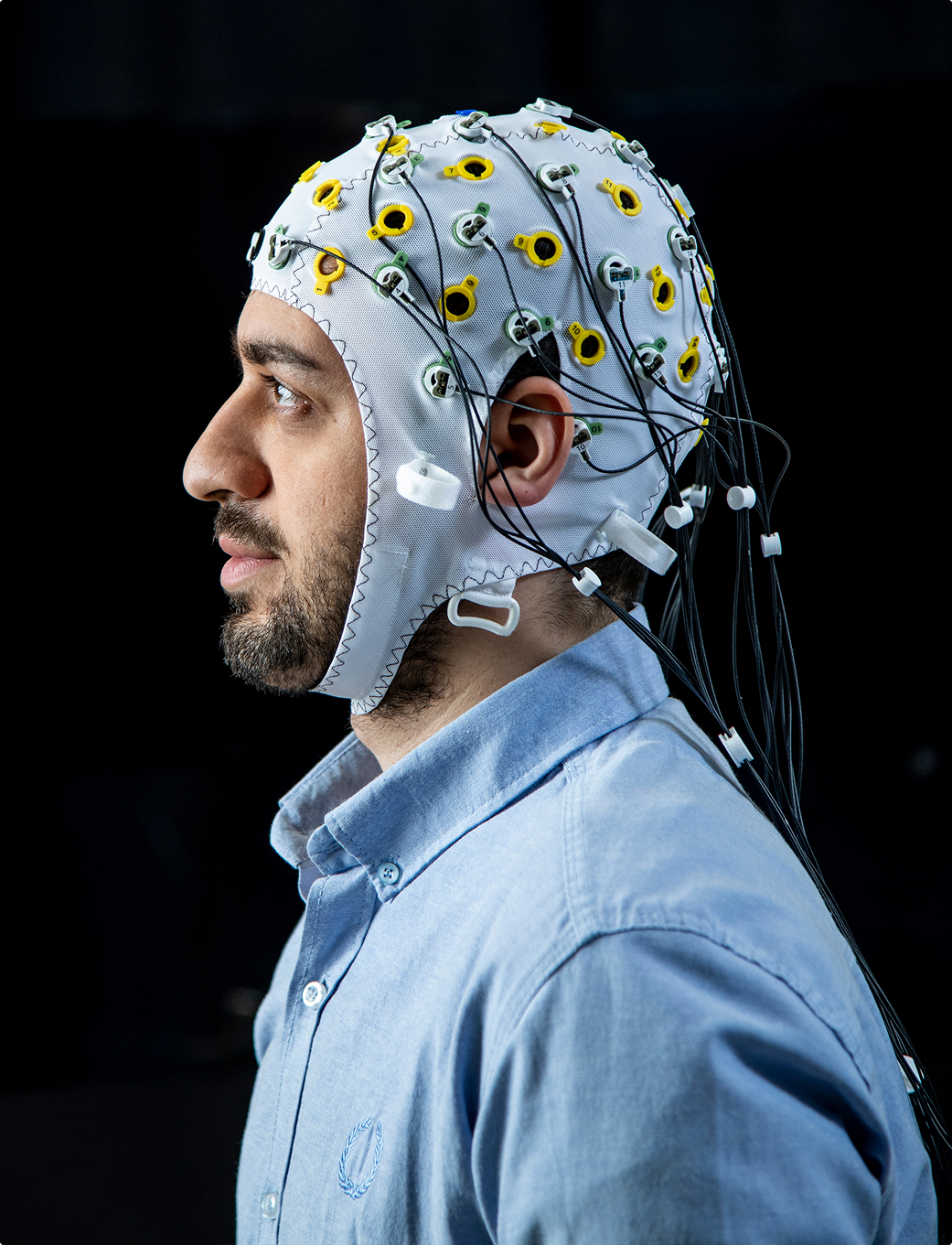
The Smartwear Revolution research project is hosted under the umbrella of the iSMART (Institute for Smart, Augmentative and Restorative Technologies and Health Innovations), a groundbreaking institute where innovation meets collaboration.
Many researchers of iSMART are a core part of the Smartwear Revolution research domains; and their expertise extends to the disciplines of engineering, medicine, rehabilitation, computer science, neuroscience, and social sciences. In addition to supporting innovative health technology and research within over eleven facilities, iSMART offers the community access to devices and equipment: including human interface devices, exoskeletons, robotics, controllers, manufacturing and microfabrication equipment, motion tracking and rehabilitation tools.
iSMART additionally supports new generations of researchers through Smart Create: Natural Sciences and Engineering Research Council of Canada (NSERC) Collaborative Research and Training Experience (CREATE) in Sensory Motor Rehabilitative Technology (SMART); hosting postdoctoral, PhD, Masters and Highly Qualified Personnel (HQP) in a world-class, industry-informed, interdisciplinary training program.

Want to join our team?
University of Alberta
The Smartwear Revolution research project is one of the largest research projects supported at the University of Alberta.
It involves researchers from eight faculties across the University of Alberta’s College of Health Sciences, the College of Natural and Applied Sciences, and the College of Social Sciences and Humanities. The University of Alberta in Edmonton is one of the top teaching and research universities in Canada, with an international reputation for excellence across the humanities, sciences, creative arts, business, engineering and health sciences.